The world of medical diagnostics is undergoing a profound transformation, and at the forefront of this revolution is liquid biopsy. This innovative technology is poised to redefine how we detect and monitor diseases.
What is a Liquid Biopsy?
Unlike traditional biopsies that involve invasive procedures to obtain tissue samples, a liquid biopsy is a non-invasive method that analyzes bodily fluids, primarily blood, for biomarkers associated with diseases. These biomarkers can include circulating tumor cells (CTCs), circulating tumor DNA (ctDNA), and other molecules released by diseased cells.
How Does it Work?
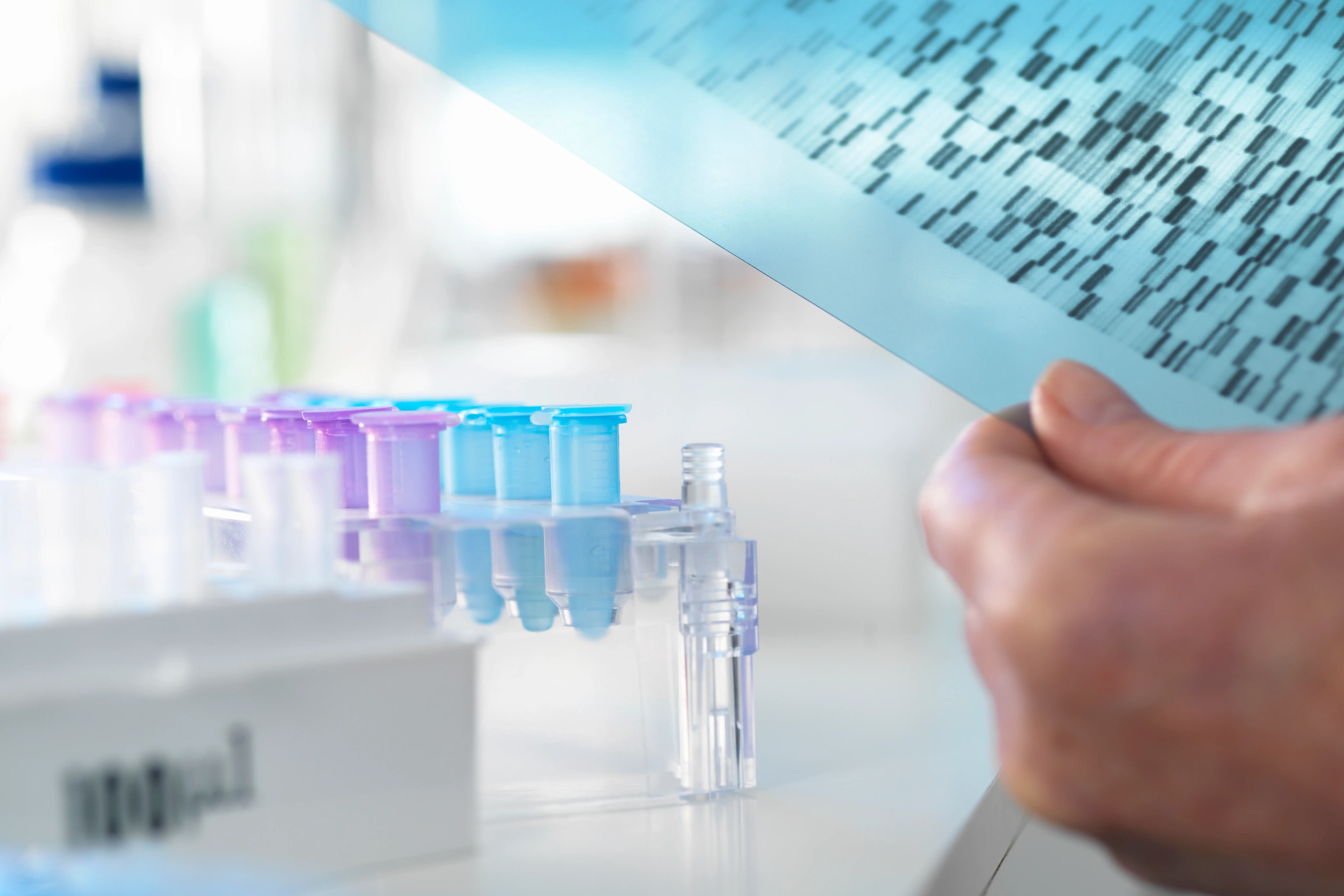
The process involves collecting a blood sample from the patient. This sample is then subjected to advanced laboratory techniques to isolate and analyze the biomarkers of interest. By studying these biomarkers, scientists and clinicians can gain valuable insights into the presence, progression, and potential treatment response of diseases.
Applications of Liquid Biopsies
The potential applications of liquid biopsies are vast and promising.
- Early Cancer Detection: The early detection of cancer remains a primary focus. Liquid biopsies are increasingly being explored as a non-invasive screening tool for high-risk populations. With advancements in technology, the sensitivity and specificity of these tests are expected to improve significantly.
- Personalized Medicine: Liquid biopsies are instrumental in tailoring cancer treatments. By analyzing tumor DNA and RNA, physicians can identify specific genetic mutations and select the most effective therapies for individual patients. This precision medicine approach is expected to become more prevalent in 2024 and beyond.
- Minimal Residual Disease (MRD) Monitoring: Liquid biopsies are proving invaluable in tracking MRD after cancer treatment. By detecting and quantifying circulating tumor cells or ctDNA, physicians can assess the effectiveness of therapy and identify patients at risk of relapse early on.
- Infectious Disease Diagnostics: The application of liquid biopsies is expanding beyond oncology. Researchers are exploring the use of this technology to detect and monitor infectious diseases, such as HIV and tuberculosis. This could lead to faster and more accurate diagnoses.
- Technological Advancements: Continued advancements in sequencing technologies, microfluidics, and data analytics are driving the growth of the liquid biopsy market. These innovations are enabling the development of more sensitive and cost-effective tests.
- Regulatory Landscape: The regulatory environment is evolving to support the adoption of liquid biopsies. The FDA and other regulatory bodies are working to establish clear guidelines for the development and clinical validation of these tests.
Risks and the Road Ahead
While liquid biopsy is a groundbreaking technology, it also presents a spectrum of risks. The complexity of the analysis and the need for sensitive detection methods require advanced laboratory equipment and expertise. Additionally, interpreting the results can be complex, and further research is needed to establish standardized methods.
Despite these risks, the potential benefits of liquid biopsies are immense. As technology continues to advance and our understanding of biomarkers grows, we can expect to see even more widespread adoption of this revolutionary diagnostic tool.
Scope
Researchers are actively exploring new biomarkers and developing more sensitive detection methods. As the technology matures, it is likely to become a routine part of cancer care and other medical fields. Moreover, liquid biopsies hold the promise of personalized medicine. By analyzing an individual’s unique genetic and molecular profile, doctors can tailor treatment plans to maximize effectiveness and minimize side effects. Therefore, liquid biopsies represent a significant leap forward in medical diagnostics. This technology has the potential to transform how we detect, monitor, and treat diseases, ultimately improving patient outcomes.
Related Posts

Contact Conclaves (+1) 866-224-2680 or support@conclaves.ai
Legal & Compliance
Company
Solutions
Address


Securing Your Success, Ensuring Compliance